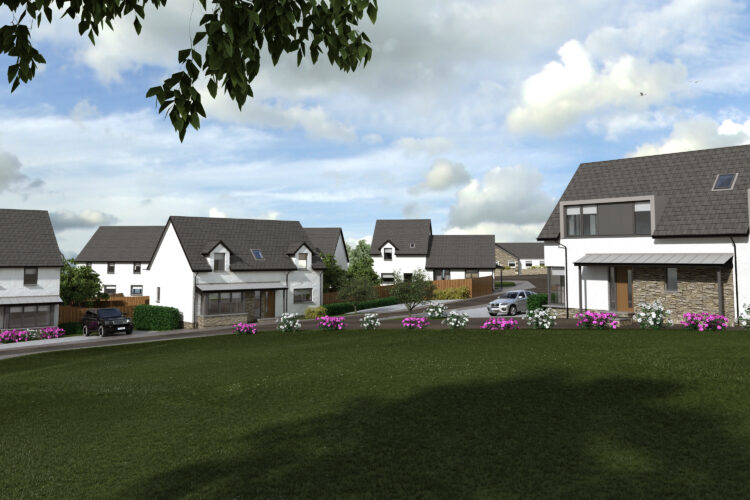
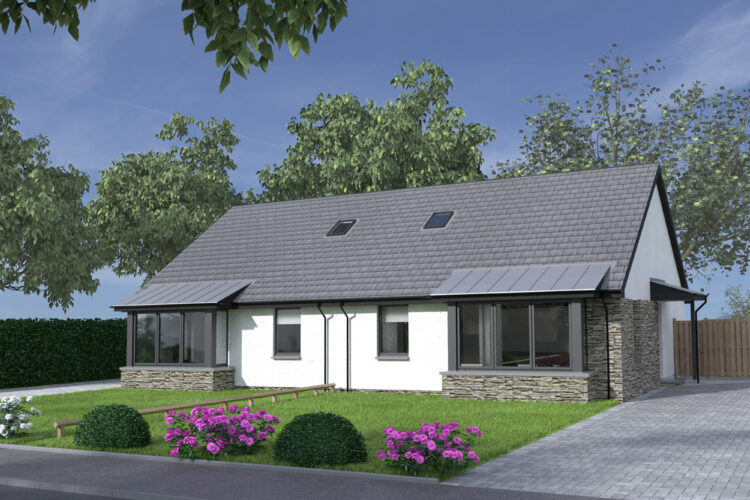
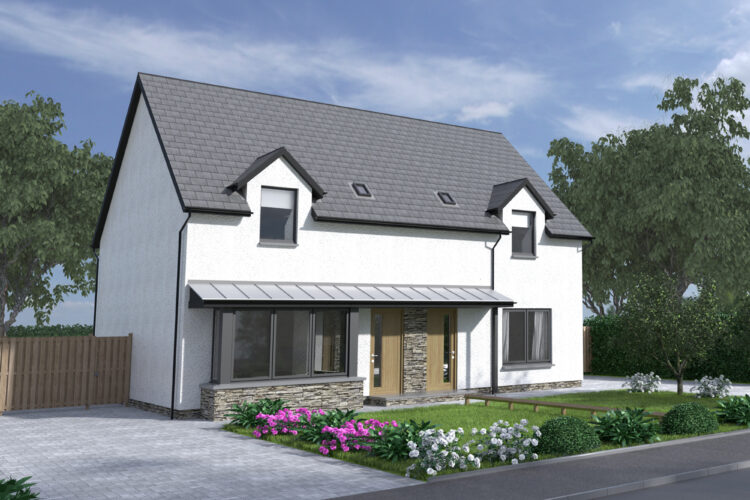
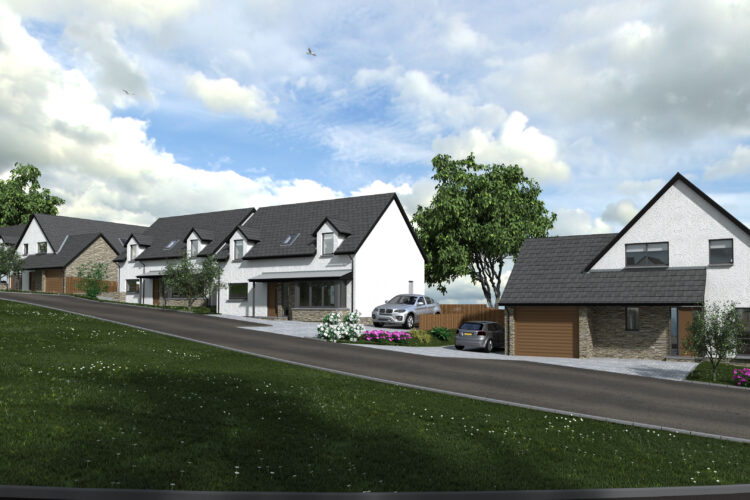
This mini‑masterplan sets out a strategic vision for the regeneration of the former showfield in Scotland’s National Book Town.,Wigtown. The project explores the delivery of a high‑quality residential neighbourhood that responds sensitively to its context while creating a distinctive and vibrant place to live.
The proposal integrates a balanced mix of private and affordable homes arranged around a clear and legible street structure. Generous public realm forms a key component of the design, including a central square, green spaces, and a flexible outdoor events area, supporting community life and reinforcing a strong sense of place.
The layout prioritises walkability and active travel, informed by Designing Streets and Creating Places guidance. A clear hierarchy of streets, shared surfaces, and landscaped routes creates an attractive and accessible environment, encouraging social interaction and everyday movement on foot.
The proposed development is for a residential development comprising a mixture of 1 and 2 storey detached, semi-detached and terraced houses providing 43 homes in total.
A significant aspect to the design concept was the provision of a central open space area. This not only reflects the use of the site as the former agricultural showground and with a potential location to the north of the site preserves the boundary to the Conservation Area with traditional stone wall and mature trees forming part of open space.
The design concept also provides a highly desirable approach to housing to create such a large and open parkland for community use within a housing development and an excellent opportunity and provides an exciting opportunity for a high-quality housing development.
Boundary treatments and trees were also significant aspects to the design concept for integration and retention of the significant and important aspects including original stone boundary wall links and mature trees to the central open space.
Sustainability underpins the masterplan, with Passive House design principles informing the approach to energy efficiency and occupant comfort. The proposals also incorporate a SuDS strategy and assess the integration of renewable technologies, including solar PV and air‑source heat pumps, supporting the transition towards low‑carbon, future‑proofed housing.